
What Are The Best Ways To Manage Hearing Loss?
Hearing loss is a very common experience across the world. It is something
By: admin | September 24, 2025
Feeling nervous before your first hearing test is completely normal. You might be wondering what the process involves, whether it will be uncomfortable or what the results might reveal about your hearing. These concerns make sense when you’re facing any unfamiliar medical appointment, especially one that could potentially change how you think about your health. Maybe you’ve been putting off scheduling the test because you’re not sure what to expect, or perhaps someone else suggested you get your hearing checked and you’re feeling uncertain about the whole thing.
The reality is that hearing tests are straightforward and painless procedures, but knowing that intellectually doesn’t always calm your nerves. Understanding what will actually happen during your appointment can make a big difference in how you feel walking through the door. When you know the basics of what to expect, you can focus on getting accurate results instead of worrying about the unknown. Most people find that their anxiety decreases significantly once they realize how simple and quick the process really is. A little preparation beforehand can help you feel more confident and relaxed during your appointment.
Hearing test anxiety is the feeling of nervousness or worry before or during a hearing test. This can happen for many reasons, like not knowing what to expect, being concerned about the results or feeling embarrassed about possible hearing loss. Anxiety can make it difficult to concentrate during your appointment and may even keep you from getting the care you need.
Many people feel uneasy before a hearing test for different reasons. You might wonder if the test will hurt, worry about what will happen if hearing loss is found or be unsure about how long the appointment will take. Some people are concerned about how the results could affect their daily life, which can make it hard to relax or even cause them to delay making an appointment.
Learning about each step of the testing process ahead of time can help ease these worries. When you know what will happen and understand that the audiologist is there to help, it becomes easier to manage nerves and focus on your hearing health.
Anxiety can influence your hearing health in several subtle but significant ways. When anxiety is present, your body may become physically tense and your mind can race with worries or distractions. This heightened state of alertness can make it difficult to focus on sounds or conversations, even in controlled environments. During a hearing test, these effects may cause you to miss instructions, respond inconsistently or struggle to concentrate, which can make it harder for clinicians to accurately assess your hearing.
Beyond the testing environment, anxiety can shape how you perceive everyday sounds. Stress and tension can make certain noises feel louder, sharper or more overwhelming than they truly are, sometimes leading to a distorted experience of your hearing. This heightened sensitivity may cause people to misinterpret what they are hearing or feel fatigued after brief periods of listening. Over time, these experiences can affect confidence in your hearing abilities and influence how you engage in social or work situations.
Anxiety can also lead to avoidance behaviors. Some people may postpone or skip routine hearing evaluations because of nervousness about the results or fear of medical appointments. Delaying hearing assessments can allow untreated hearing changes to persist, potentially making it harder to address them effectively later. In this way, anxiety does not just affect the immediate experience of listening or testing it can have longer-term implications for your overall hearing health and awareness.
Test anxiety can show up in both physical and mental ways, and recognizing these signs helps you understand how it might affect your hearing evaluation or other assessments. Physically, you might notice a racing heartbeat, sweaty palms, tense muscles or shallow breathing. Some people feel queasy or develop headaches when anticipating a test, and these reactions can make sitting still and concentrating more difficult than usual.
Mentally, test anxiety often appears as racing thoughts, difficulty focusing or feeling overwhelmed by simple instructions. You might replay worst-case scenarios in your head, worry about giving the wrong answer or feel certain you will fail even before the test begins. These thoughts can make it harder to pay attention to sounds during a hearing assessment or respond accurately to prompts.
Behavioral signs may also emerge. Some individuals procrastinate scheduling a test, avoid the testing environment or repeatedly check their notes or equipment in an attempt to feel prepared. Others may respond inconsistently or second-guess themselves during the evaluation. Recognizing these patterns is important because it helps you separate anxiety responses from your actual hearing performance, giving you a clearer picture of your auditory health.
Getting your hearing checked early is important for your overall wellbeing. Regular hearing checks help you find out about any changes in your hearing sooner rather than later. Early checks allow you and your audiologist to address problems before they start to affect your daily life. This helps you keep up with conversations, enjoy social activities and stay connected with friends and family. Taking care of your hearing health early often leads to better outcomes and more confidence in everyday situations.
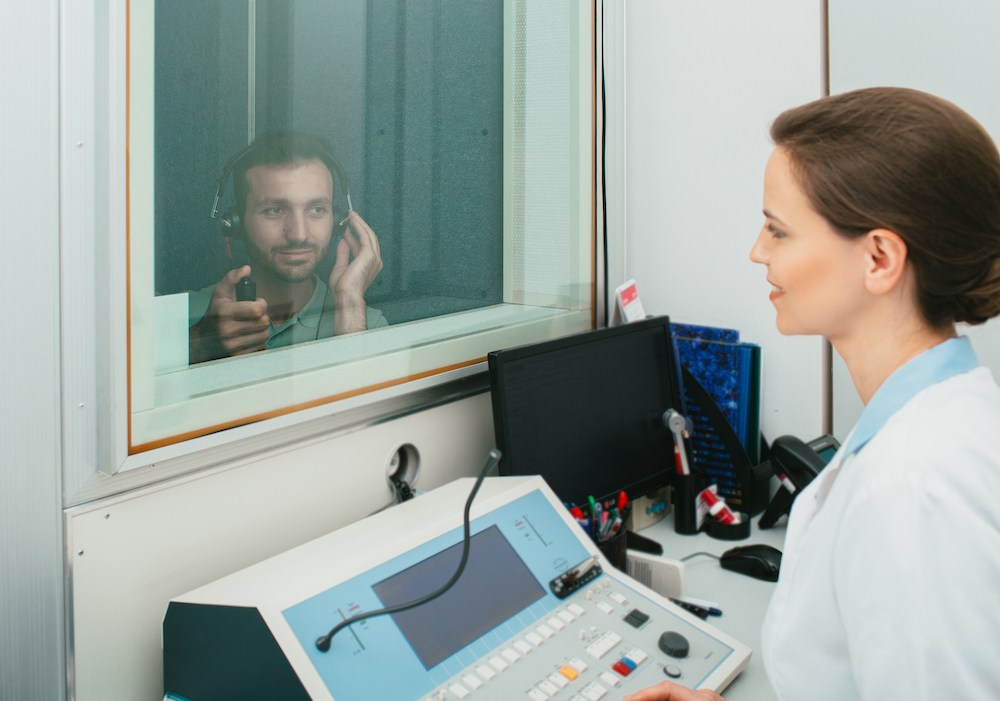
During a standard hearing test appointment, you will meet with a hearing specialist who will guide you through each step. The process is straightforward and designed to evaluate how well you hear different sounds.
The appointment typically begins with a conversation about your hearing history and any concerns you may have. The specialist will ask questions about past experiences with hearing difficulties, exposure to loud environments or family history of hearing loss. This discussion helps establish a baseline and ensures the tests are tailored to your needs.
Afterward, you may undergo several types of tests. Pure-tone testing measures your ability to hear a range of pitches and volumes using headphones in a quiet room. Speech recognition testing checks how well you can understand words and sentences at different levels of loudness. Additional assessments might include tympanometry, which evaluates the movement of the eardrum, and otoacoustic emissions, which measure inner-ear responses to sounds. Each test provides unique insights into your hearing, helping the audiologist identify areas that may need further attention or support.
Preparing for your hearing test can help you feel more comfortable and make the appointment go smoothly. Before your visit, gather information about your medical history, current medications and any past hearing issues. These details help the audiologist understand your needs. Make a list of questions or concerns you want to discuss during the appointment. Being prepared in this way may lower stress and help you get the most accurate results from your test.
Asking questions before your hearing test can help you feel more confident and prepared. Good communication with your audiologist makes it easier to understand each step of the process.
You might want to ask what will happen during the test, how long it will take, and if there is anything you should do before arriving. It can also be helpful to find out when you will get your results and what steps come next if hearing loss is found. Knowing these details can make the appointment feel less stressful and help you focus on your hearing health.
After completing your hearing tests, the audiologist will review the results with you in detail. This conversation is an important part of the appointment because it helps you understand what the numbers and charts mean for your everyday hearing. The specialist will explain how your hearing compares to typical ranges and highlight any areas where you might be experiencing difficulties.
During this discussion, your audiologist will also answer any questions you have about the results and clarify how your hearing might affect daily activities, like conversations, listening to music or hearing in noisy environments. They may point out patterns, like differences between your right and left ear, or challenges with specific pitches or background noise.
The goal of this conversation is to make sure you leave the appointment with a clear understanding of your hearing and the options available to support it. Whether your results are within normal ranges or indicate some level of hearing difficulty, having this information allows you to make informed choices about your hearing health and any follow-up steps you may need.
Feeling nervous before or during your hearing test is normal, but there are simple ways to help you feel calmer. Try taking slow, deep breaths while waiting for your appointment to begin. Bringing a book or listening to calming music on headphones can also help distract your mind and lower stress.
During the appointment, focus on relaxing your shoulders and hands if you notice any tension. Remind yourself that your audiologist is here to support you and answer any questions you may have. Using these small relaxation techniques can make the experience feel more comfortable and help you stay focused throughout your visit.
Bringing a friend or family member with you to your hearing test can make the experience less stressful. Having someone you trust by your side can help you remember important details, ask questions you might forget and provide emotional support during the appointment.
Many people find it helpful to have another person listen to the specialist’s explanations or instructions, especially if nerves make it hard to focus. You may wonder if you can bring anyone you want, whether your companion will be allowed in the testing room or if they can help answer questions from the specialist. It is also helpful for them to take notes during the appointment.
Managing anxiety around hearing tests is an important part of caring for your hearing health. Learning what to expect, preparing ahead of time and using simple relaxation techniques can make each visit more comfortable. Sharing any concerns with our team allows us to provide the support you need.
If you have questions about hearing tests or would like guidance on managing nerves before your visit, our team at Hearing & Balance Services of Reston is here to help. Contact us in Reston, VA by calling (703) 297-8715 for more information or to schedule an appointment.
Tags: OAE tests, speech tests, tympanometry

Hearing loss is a very common experience across the world. It is something
By: admin | October 25, 2022

Most people don’t give much thought to their ears. They use them
By: admin | September 6, 2022

Tinnitus is a buzzing or ringing sound in the ears. Tinnitus is
By: admin | August 25, 2022