
What Are The Best Ways To Manage Hearing Loss?
Hearing loss is a very common experience across the world. It is something

By: Bhama Pathak, M.A., FAAA | August 24, 2026
Anyone who lives in Northern Virginia knows what the height of summer feels like here. The humidity settles in and doesn’t budge.
The commute somehow gets more frustrating when half the region is trying to squeeze in vacation travel. The pace of work rarely slows down just because it’s ninety-five degrees outside.
Summer has its own mix of heat, travel and full schedules. If you live with tinnitus, you may notice that this combination seems to turn up the volume on the ringing or buzzing in your ears.
That’s not your imagination. Stress and heat each have real effects on the body, and both can influence how noticeable tinnitus feels.
When the two show up together, as they tend to do this time of year, tinnitus may become harder to ignore.
Understanding why that happens is useful because it explains a pattern you may already be noticing. It can also point toward what you can do about it.
Tinnitus is hearing a sound that isn’t coming from something around you. Ringing is the description people use most often, but it can also sound like buzzing, humming, whistling or clicking.
You may hear it in one ear, both ears or somewhere inside your head. The noise can remain steady, come and go or change in volume at different times.
What affects tinnitus varies from person to person. Loud noise, earwax buildup, certain medications, poor sleep and variations in blood pressure are some possible triggers.
Stress can alter how much attention your brain gives the noise, so the ringing or buzzing may seem louder during tense periods.
Sometimes the connection only becomes clear when you think about what happened before the pitch changed. Those details give your audiologist more information about what may be influencing your tinnitus.
Stress and tinnitus can feed into each other in ways that aren’t always obvious at first. During a stressful day, your brain is already sorting through more demands than usual.
Ringing or buzzing that normally sits in the background may start competing with everything else for your attention. You may hear it more while working, driving or trying to settle down at night.
The physical side of stress can affect tinnitus too. Tension in the jaw and neck can alter the sound for some people, especially if they clench their teeth.
Stress can also interrupt sleep, leaving you tired and more aware of noises the next day. These reactions vary, but they can explain why tinnitus seems different during a difficult week even when your hearing hasn’t fluctuated.
A hot day can affect more than how comfortable you feel outside. You lose more fluid when you sweat, and dehydration can cause shifts in blood pressure and circulation.
For some people with tinnitus, the ringing or buzzing may sound different when that happens. Then there are hot summer nights, when getting enough sleep isn’t always easy.
Being tired can make it harder for your brain to push tinnitus into the background while you’re trying to focus on something else.
Temperature isn’t the only thing that changes during summer. Fans and air conditioners run more often, insects get louder and neighborhoods stay busy later into the evening.
All that noise can compete with tinnitus while you’re outside or moving through your day. Once you walk into a quiet bedroom, the contrast may make the ringing seem stronger.
Your starting point on a particular day can affect how strongly you react to heat or stress. Someone who is rested and eating regularly may handle a hot afternoon differently from someone who has been traveling for several days.
Age can make a difference because the body doesn’t regulate temperature the same way throughout life.
Fitness level can affect how your body handles physical activity in the heat. How accustomed you are to warm weather can matter as well.
Someone who spends much of their time outside may respond differently than a person who is usually in air conditioning.
Stress and heat exposure can build into an ordinary day without being obvious while it’s happening. Certain routines can leave you dealing with one or both for longer stretches, including:
It may happen around the same time for several days, then return to its usual level later. Those details tell you more than simply deciding whether your tinnitus was better or worse.
Writing down what happened can make those patterns easier to separate. Note when the it changed, what it sounded like and how long the difference lasted.
Include where you were and what you had been doing beforehand. After several entries, you may see certain situations appearing repeatedly while others have no connection.
That record also gives your audiologist specific information to work with instead of relying on several weeks of memory.
Hot days are easier to manage when you have several ways to cool down throughout the day. Wear lightweight, breathable clothing and choose shaded areas when you’re outside.
Keep water nearby and drink regularly, especially when you’ll be outdoors for several hours. A cool shower or damp cloth can lower your body temperature after yardwork, exercise or time in the sun. Indoors, use air conditioning or fans to keep rooms comfortable.
Timing can also limit how much heat you’re dealing with at once. Plan walks, errands and outdoor chores for the morning or evening instead of the hottest afternoon hours.
Park in shaded areas when possible and let a hot car cool before getting inside. If you’re outside for a longer stretch, take breaks in an air-conditioned building or another cool space.
A change in tinnitus can tell you more than a louder day here and there. Talk with a local audiologist if the ringing starts in one ear or shifts suddenly. A drop in hearing at the same time also needs attention.
A new pulsing pitch that follows your heartbeat should be checked as well. Dizziness, ear pressure or balance problems are other reasons to have your ears evaluated instead of assuming heat or stress is responsible.
An appointment also makes sense when tinnitus doesn’t return to its usual pattern after a hot or stressful stretch. Your audiologist can compare what you’re hearing now with previous hearing results and examine your ears.
That information can show whether something has changed with your hearing or ear health. Sudden hearing loss is urgent and should be evaluated promptly.
Relaxation methods can give your mind and body a chance to slow down when tinnitus is getting more of your attention.
There are several approaches you can try at home to find what feels natural for you:
Keeping track of those changes can show you which parts of your routine have the strongest connection to what you hear. From there, you can try drinking more water, taking regular breaks or giving yourself more downtime during especially full weeks.
When tinnitus starts sounding different from what you’re used to, it may be worth finding out why. Our audiologists can check your hearing and discuss the changes you’ve been hearing without assuming heat or stress is the cause.
At Hearing & Balance Services of Reston, you can talk through those symptoms and decide whether anything else needs attention. Call us at 703-260-6192 to schedule a visit.
Tags: faqs, tinnitus symptoms, tinnitus treatment

Hearing loss is a very common experience across the world. It is something
By: Bhama Pathak, M.A., FAAA | October 25, 2022
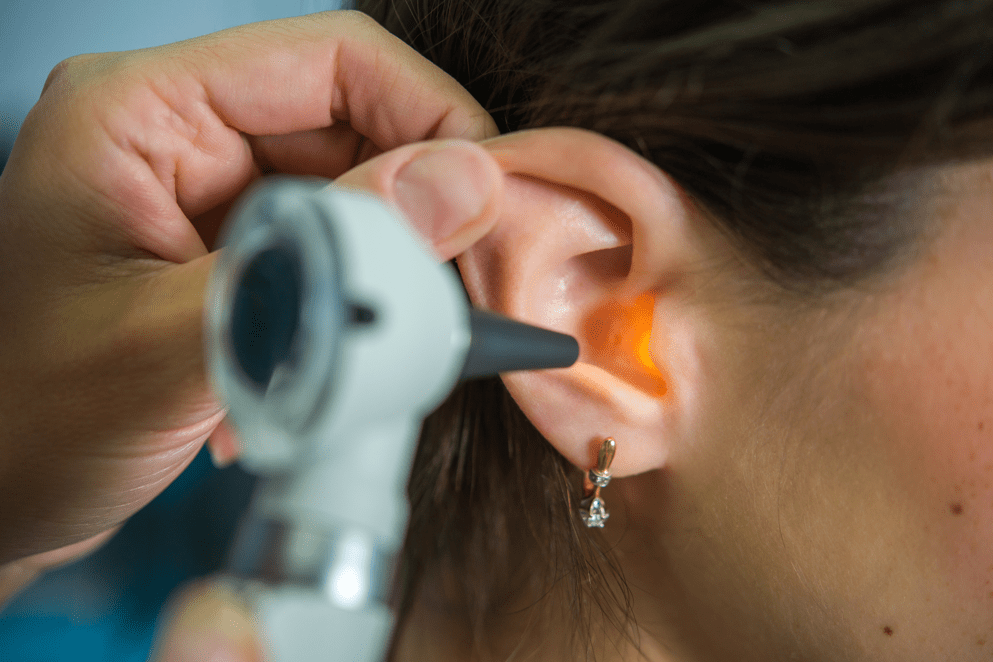
Most people don’t give much thought to their ears. They use them
By: Bhama Pathak, M.A., FAAA | September 6, 2022

Tinnitus is a buzzing or ringing sound in the ears. Tinnitus is
By: Bhama Pathak, M.A., FAAA | August 25, 2022