
What Are The Best Ways To Manage Hearing Loss?
Hearing loss is a very common experience across the world. It is something

By: Bhama Pathak, M.A., FAAA | May 18, 2026
Most people leave a hearing test with a general sense of how things went but not much else. You might remember being told your results were stable or there was a change, but the details fade fast, especially if your next appointment isn’t for another year or two.
Without something to refer back to, it’s hard to know whether what you’re experiencing day to day lines up with what the numbers showed. Tracking your hearing test results gives you a clearer picture of what’s happening with your hearing and why it matters.
When you can look back and see how your results have changed from one year to the next, you’re not walking into appointments starting from scratch. You have context.
It also helps when you’re trying to describe changes you’ve noticed at home, because you have something concrete to point to instead of relying on memory alone.
Keeping track of your hearing test results gives you something real to look back on over the years. Hearing usually changes gradually, which makes it hard to notice what is different from one month to the next.
Seeing older results next to newer ones can show where things have stayed steady and where certain sounds may not be coming through the same way anymore.
That can help make more sense of situations, like why conversations in crowded places feel different now than they once did. It also gives you a better idea of your hearing history instead of trying to remember what things sounded like a few years ago.
Hearing tests are designed to measure how well you hear different sounds, speech tones and volumes across a range of pitches. During the appointment, an audiologist will guide you through several listening tasks while you wear headphones inside a quiet testing room.
Some sounds are very soft, while others are easier to hear and you respond whenever you notice them. You may also repeat words back during parts of the test because hearing speech clearly is different from simply detecting sound.
All those responses are recorded and organized into an audiogram, which gives a detailed look at how each ear is hearing at different frequencies.
The reason hearing tests are broken into different sections is because hearing does not usually change evenly across all sounds. An audiologist uses those patterns to understand how your hearing functions in real-world situations, not just inside the testing room.
Most people do not notice hearing differences all at once. It usually shows up during regular conversations or in places where a lot of sound is happening at the same time.
You may start noticing things like:
The graph shows the pitches you hear, measured in Hertz (Hz), along one side and the volume needed to hear those sounds, measured in decibels (dB).
Different symbols represent each ear, and the marks on the graph show which sounds were easier or harder to hear during the test. Once an audiologist walks through it with you, the chart often starts connecting with situations you already recognize.
It can help explain why certain voices sound less clear, why background noise feels more distracting or why some conversations take more concentration than they used to.
Hearing test results usually include a few key terms that explain how sound is being measured. Frequency refers to how high or low a sound is, while pitch is the way that same quality is experienced when you hear it.
Decibels show how much volume is needed for a sound to be detected. You may also see speech recognition or word recognition, which looks at how clearly spoken words are understood during testing.
Hearing threshold describes the softest level of sound you were able to respond to during the exam. These terms give structure to what’s being measured, so the results can be read in a more direct way instead of just numbers on a page.
You can store hearing test results in a way that keeps them easy to access and compare without digging through different places each time. Most people keep both paper copies and digital versions together, since clinics and audiologists often provide PDFs or printed audiograms after each visit.
A simple approach is to keep everything in one dedicated folder, either a physical file folder or a single folder on your phone or computer and add each new result in date order.
It also helps to label files clearly with the date and name of the audiologist or clinic so you can tell them apart immediately. If you prefer paper copies, placing them in a binder with dividers for each year keeps things from piling up or getting misplaced.
Hearing test results often end up spread across paper copies, emails and patient records, which makes it easy for details to get separated over time.
Digital tools and apps have started to bring those pieces together in one place, so results from different appointments can sit side by side. Instead of flipping through folders or trying to remember where something was saved, the information is already grouped in a way that follows your history.
These tools also tend to organize results in a more structured format, where dates, audiograms and notes from an audiologist are stored together. That makes it easier to see how each visit connects to the next without having to sort through different versions or formats.
Hearing test results carry more context when they’re looked at over time, which is why sharing past testing information with your audiologist can shape how each visit is understood.
Previous audiograms, notes or even summaries from other clinics help fill in details that might not come up in a single appointment. Instead of viewing one test on its own, your audiologist can see how things have been measured before and how current results fit into your routine.
That shared information also affects the conversation during the appointment itself.
It gives the audiologist a reference point when reviewing your current hearing levels and comparing them to earlier results, especially if tests were done in different settings or with different tools.
Follow-up visits with a professional audiologist usually work best when there’s a clear sense of what you want to understand from your results. It can help to bring a few questions with you, so the conversation stays focused on the details that matter most to you.
Helpful questions to ask during follow-up visits about results:
You might find yourself asking people to repeat things a bit more often, or realizing certain voices are not coming through as clearly as they did before. When those experiences line up with differences in newer results compared to older ones, it can point to a change worth taking a closer look at.
Having that record also gives your audiologist a clearer reference point instead of relying only on what you describe in the moment. Looking at results side by side can show whether there has been a pattern or a more recent difference between appointments.
Having your results in front of you changes the way follow-up visits feel, because you’re not trying to piece things together on the spot.
You already have a sense of what’s been measured before, and that makes it easier to focus on what feels different now and what still feels familiar. It turns the conversation into something more grounded, where you and your audiologist are looking at the same history instead of filling in blanks.
That kind of reference point also makes it easier to know when it’s worth taking another look at your hearing. If you want to talk through your results or set up a visit, Hearing & Balance Services of Reston, our audiologists can help. Call us today at 703-260-6192.

Hearing loss is a very common experience across the world. It is something
By: Bhama Pathak, M.A., FAAA | October 25, 2022
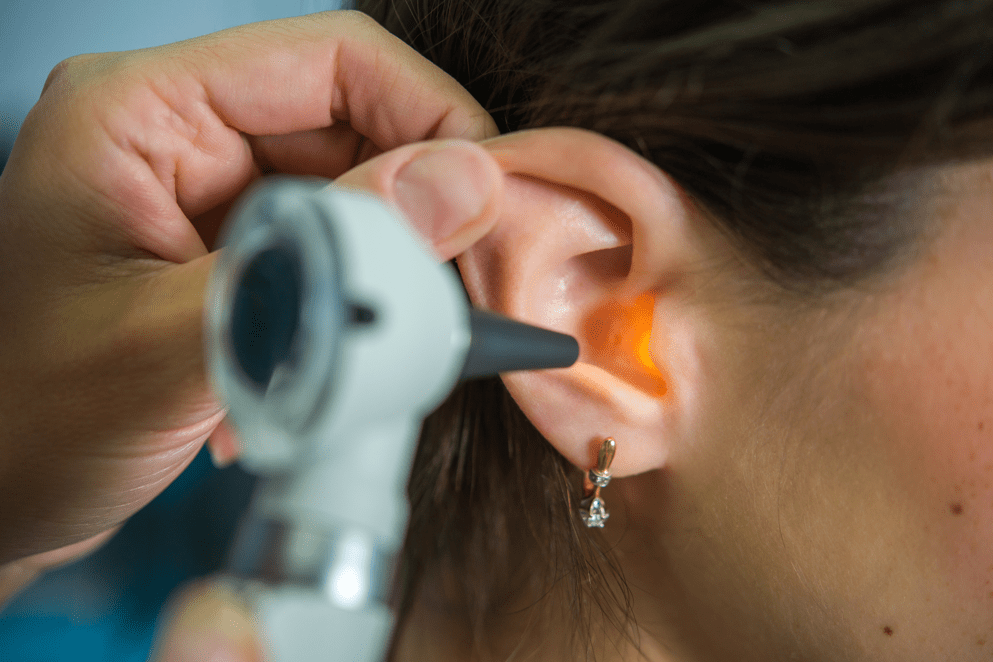
Most people don’t give much thought to their ears. They use them
By: Bhama Pathak, M.A., FAAA | September 6, 2022

Tinnitus is a buzzing or ringing sound in the ears. Tinnitus is
By: Bhama Pathak, M.A., FAAA | August 25, 2022